
Seven refined entry models used live on the floor every session — each one built on pure price action, no indicators.
Click any card to open the full chart. Images are replaced as trades are taken live. There are different scenario that can be found in one setup, or a setup might consist of more than one entry model
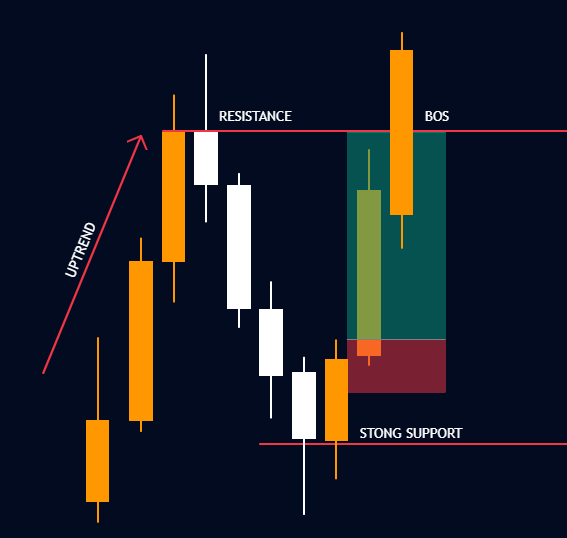
Entry taken on the first impulsive move following a confirmed Break of Structure. You ride the initial momentum as price commits to the new direction.
High momentum · BOS confirmation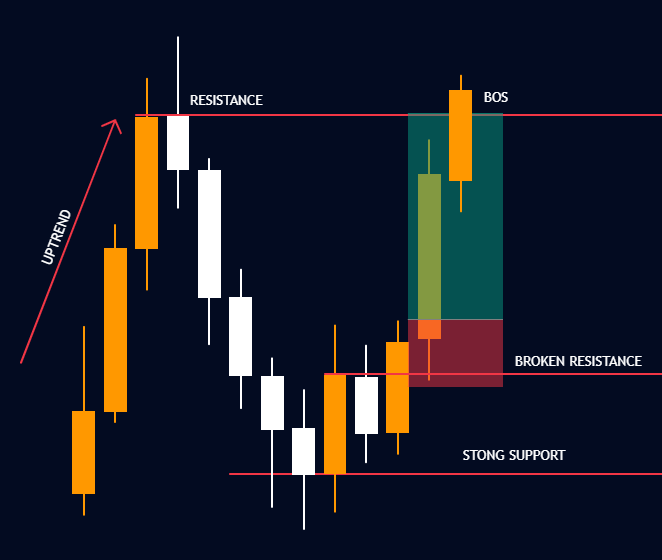
Entry triggered when price breaks through a key structural level with conviction and closes decisively beyond it — confirming intent, not just a wick.
Key level break · Close confirmation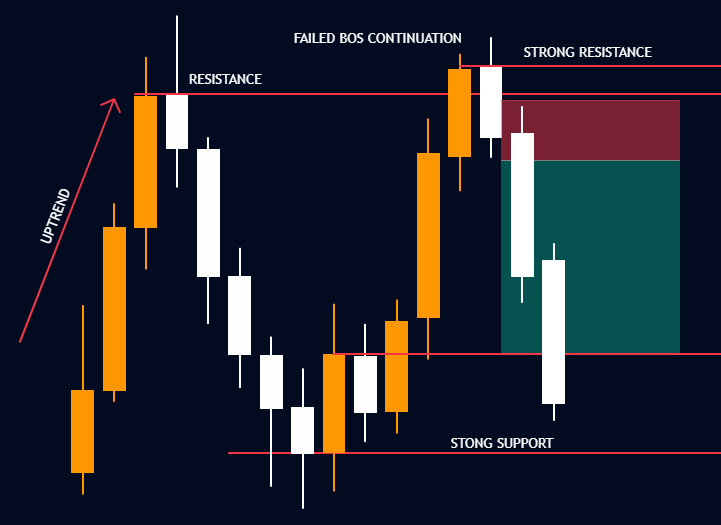
Entry taken after a false break — price pierces a level, fails to hold, and reverses. You enter as the fake move collapses, trapping the breakout crowd.
False break · Reversal entry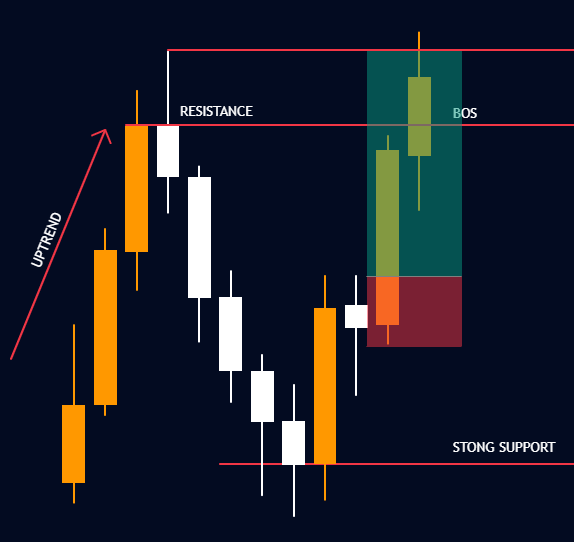
Price engineers a move to hunt stop losses beyond a key level, then reverses sharply. Entry is placed as the trap springs and the engineered move collapses.
Stop hunt · Engineered reversal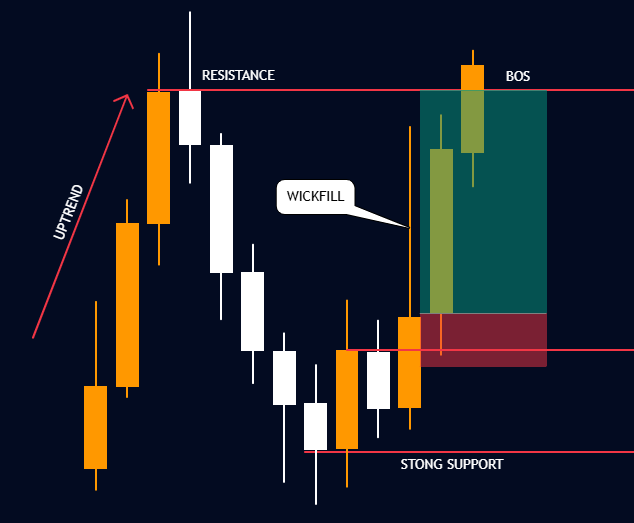
A candle leaves a significant wick, indicating rejection. Entry is taken expecting price to return and "fill" that wick area — a high-probability mean-reversion play.
Wick rejection · Mean reversion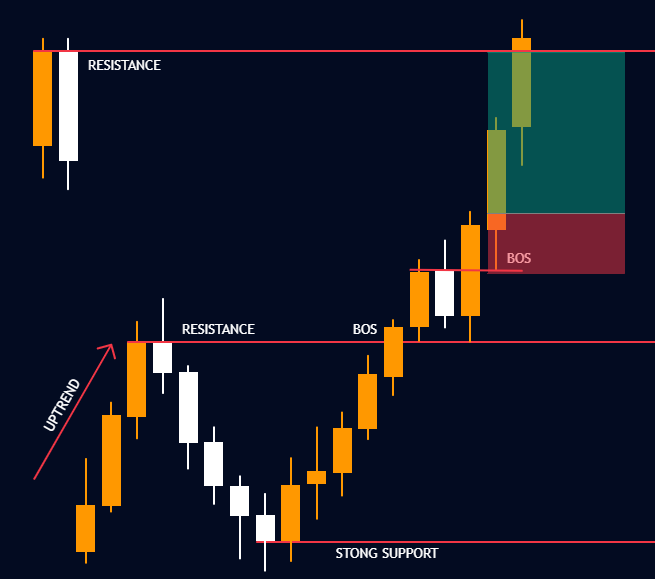
Entry in the direction of the dominant trend after a valid pullback or consolidation. You wait for the correction to complete, then join the trend as it resumes.
Trend-following · Pullback entry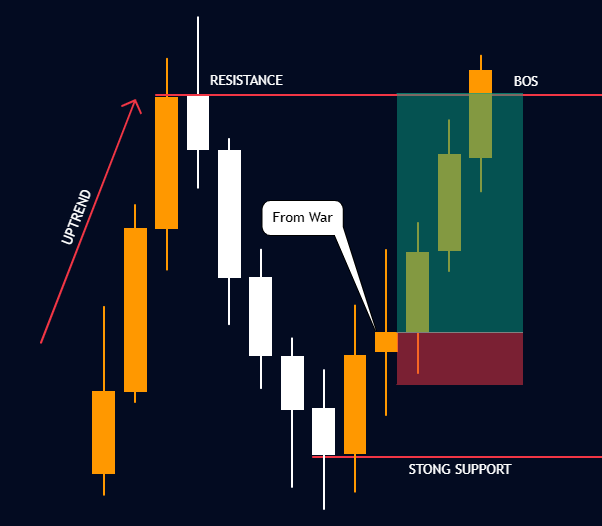
Two consecutive candles closing strongly in the same direction signal directional commitment. Entry is placed after the second candle closes, confirming the bias.
Dual confirmation · Bias entry